A Essential Angling Equipment Guide: From Hooks and Bait to Wear
The Comprehensive Fishing Gear Guide presents a in-depth breakdown of essential equipment for anglers. It examines the value of picking proper fishing tackle and equipment tailored to personal fishing styles. Additionally, the guide highlights the value of upkeeping gear and the possible benefits of improving. Comprehending these factors can considerably affect the fishing experience. Anglers may realize they doubting whether their existing configuration truly addresses their expectations as they examine what is to come.
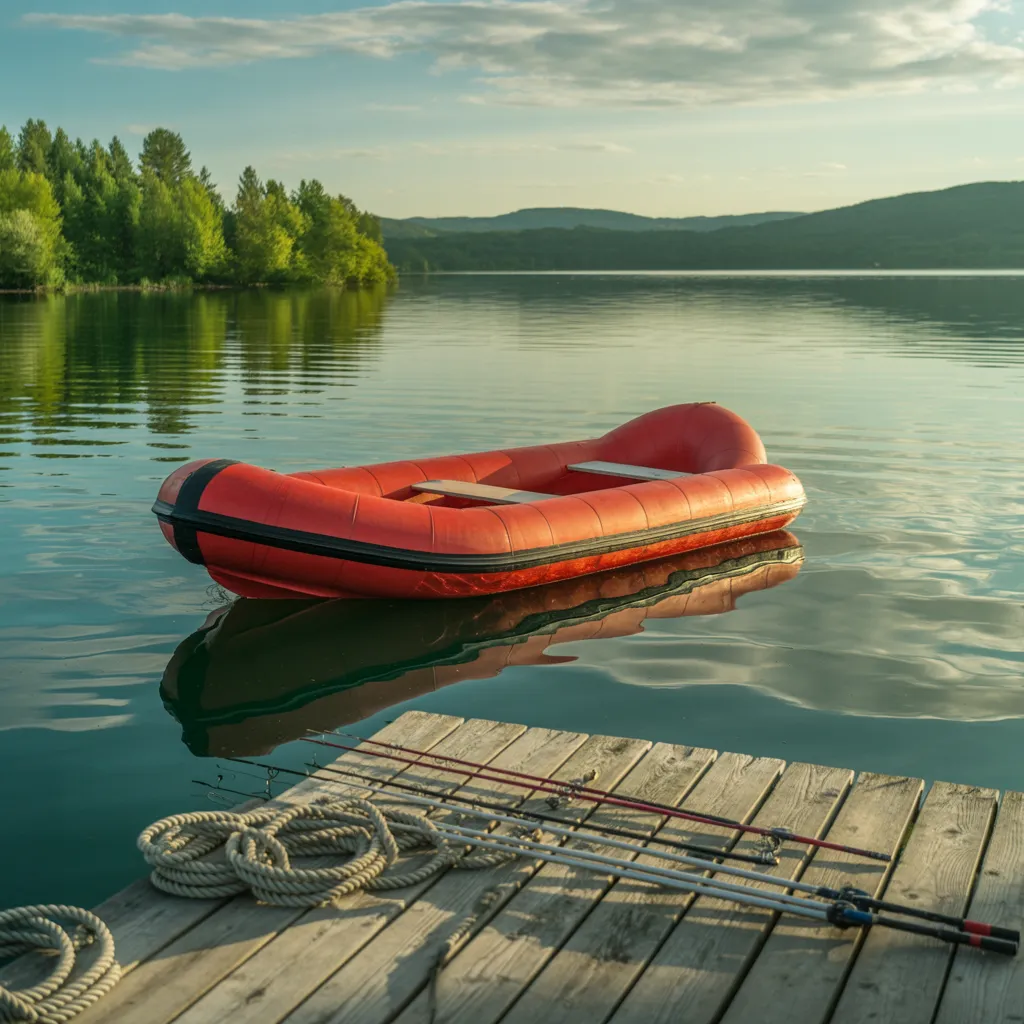
The Basic Fishing Tackle: What You Require to Get Started
When starting a fishing journey, understanding the essential tackle can greatly enhance the experience. A well-rounded selection of fishing tackle is critical for achievement. First and foremost, anglers need fishing line, which serves as the connection between the rod and the catch. Choosing the right type and strength based on the target species is essential. Additionally, hooks come in different sizes and shapes, each made for specific bait and fish types.
Baits, whether live or artificial, play a significant role in attracting fish. Weights, or sinkers, help to keep the bait in the desired location in the water. Moreover, bobbers or floats provide a visible signal when fish bite. Finally, tackle boxes are indispensable for organizing and storing equipment effectively. With this basic tackle, anglers can set out on their fishing adventures with confidence, knowing they have the essential tools to enhance their chances of success.
Finding the Appropriate Fishing Rod: Styles and Helpful Tips
Determining the best fishing rod is a essential determination that can deeply affect an fisherman's complete experience. Assorted types of rods serve contrasting methods and situations. Spinning rods, apt for beginners, provide flexibility and convenience, while baitcasting rods furnish pinpoint accuracy for experienced anglers targeting larger fish. Fly casting rods, fashioned for fly fishing, are specialized for casting minimal weight presentations effectively.
Rod length and action are likewise paramount attributes. Longer rods strengthen casting distance, making them applicable for open waters, whereas shorter rods furnish better control in tight spaces. The rod's action—slow, medium, or fast—specifies its responsiveness and sensitivity, affecting the angler's ability to detect bites.
Material is important as well; graphite rods are light and responsive, while fiberglass rods provide durability. By considering these factors, anglers can select a rod that aligns with their fishing preferences and improves their overall enjoyment on the water.
Finding the Best Fishing Reel for Your Style
How can one pick the ideal fishing reel to complement their style? Picking a fishing reel involves considering various elements that match with personal preferences and fishing approaches. First, anglers should identify the type of fishing they intend to pursue, whether it's freshwater or saltwater, as this significantly impacts the reel's durability and design.
Next, the choice between spin reels and baitcast reels can reflect an angler's skill level and fishing style. Spinning reels are typically easy to use, perfect for novice anglers, while baitcasting reels provide accuracy for seasoned anglers.
Line capacity and drive ratio are also vital; higher gear ratios deliver swifter retrieves, ideal for active fishing. Finally, assessing the reel's weight and balance with the preferred rod can heighten overall comfort during prolonged sessions on the water. By examining these factors, anglers can smartly select a reel that improves their fishing pursuit.
Premier Items for a Effortless Angling Journey
An experienced angler recognizes that suitable accessories can substantially enhance your angling adventure. Vital equipment including tackle boxes and bait containers help keep gear well-organized and readily within reach. A dependable fishing net proves essential for safely netting fish, and a robust measuring tape confirms compliance with regulations.
In addition, a solid multi-tool can enable with numerous tasks, from slicing line to exchanging hooks. Anglers also reap the benefits of a outdoor chair or portable cooler, ensuring comfort and accessibility during long outings.
For individuals venturing into different settings, a waterproof gear bag safeguards precious items from the elements. Finally, a good pair of polarized sunglasses decreases glare on the water, boosting visibility and allowing you to spot fish. Together, these accessories contribute to a more satisfying and productive fishing experience, letting anglers to zero in on what truly matters: the excitement of the catch.
Fishing Clothes Matter: Comfort and Protection
Fishing apparel is essential for enhancing the overall experience on the water. Proper clothing provides vital shielding against diverse weather conditions, while also providing comfort during long trips. Additionally, thoughtfully designed gear facilitates for enhanced mobility and flexibility, making it more manageable for anglers to navigate their surroundings.
Weather Shield Advantages
Safeguarding yourself from the elements is vital for a pleasant fishing experience. Weather conditions can vary dramatically, thus specialized fishing apparel is necessary. Waterproof jackets and breathable fabrics shield anglers from rain and wind, ensuring they stay dry and comfortable. UV-protective clothing provides defense against harmful sun exposure, lessening the risk of skin damage during long hours outdoors. Also, insulated layers offer warmth in cooler temperatures, preventing discomfort that could shorten a fishing trip. Hats and gloves further increase protection from sun and cold, enabling longer time on the water. Ultimately, investing in quality fishing apparel not only safeguards the body but also enhances focus and enjoyment, turning every fishing trip into a more successful and enjoyable endeavor.
Comfort While Long Trips
In what ways can the best apparel transform lengthy fishing trips into enjoyable experiences? Picking appropriate fishing clothing greatly enhances comfort by regulating temperature and moisture. Lightweight and breathable fabrics remove sweat, avoiding discomfort during warm days, while insulated layers provide warmth in cooler conditions. Moreover, fishing apparel often includes UV protection, shielding skin from dangerous rays, along with waterproof materials that keep anglers dry in variable weather.
Ergonomic designs that accommodate prolonged wear enhance comfort by minimizing fatigue. When anglers feel comfortable in their clothing, they can focus on the experience, enhancing concentration and enjoyment. Ultimately, investing in quality fishing apparel view resource is crucial for maximizing the comfort and satisfaction of long fishing excursions.
Enhanced Movement and Adaptability
Comfortable attire not only enhances long fishing trips but also plays an important role in ensuring agility and adaptability. Proper fishing wear, incorporating lightweight, stretchable fabrics, allows anglers to move freely, whether executing casts or reeling in catches. Features like reinforced seams and adjustable fits further enhance comfort, reducing constraints during various activities. Additionally, moisture-wicking materials help regulate body temperature, circumventing discomfort from sweat and humidity. The right footwear is equally vital; non-slip, supportive shoes deliver stability on slick areas, amplifying broad mobility. Ultimately, committing in pliable and purposeful fishing apparel can greatly improve performance, allowing anglers to focus on their experience rather than their discomfort. Therefore, optimal movement capability and adjustability are indispensable elements of proficient fishing gear.
Protecting Your Fishing Equipment for Longevity
Caring for fishing gear is vital for maintaining its longevity and function. Routine cleaning helps remove dirt and salt buildup, while correct storage practices shield equipment from damage. Combined, these tactics produce a more satisfying and rewarding fishing experience.
Everyday Sanitation Routines
Consistent cleaning routines are key to prolong the lifespan of fishing gear. After use, anglers must rinse rods, reels, and tackle with fresh water to clear away salt, dirt, and debris. This simple measure aids in preventing corrosion and degradation. For reels, taking apart and cleaning parts with a gentle brush prevents dirt from hindering functionality. Also, checking lines for frays and replacing them as necessary boosts performance. Rod guides require inspection for damage and cleaning to maintain smooth line action. Ultimately, regularly wiping surfaces with a soft cloth not only keeps the gear looking new but also facilitates early detection of any possible issues, ensuring peak functionality for future fishing trips.
Right Storage Approaches
Successful management approaches are essential for extending the useful life of fishing gear. Proper organization prevents harm and degradation. Storing rods vertically or in rod holders is important to prevent bending or breakage. Reels must be cleaned and lubricated before being placed in a protective case, shielding them from dust and moisture. Tackle boxes should be kept in a cool, dry location, with lures and hooks organized to prevent tangling and rust. Lines should additionally be stored on spools, away from direct sun exposure, to stop weakening. Using breathable storage bags for apparel helps protect fabric integrity. Applying these storage strategies enables anglers to extend their gear’s durability, ensuring many fruitful fishing excursions.
When and Why You Should Enhance Your Angling Equipment?
At what time should anglers consider investing in upgraded fishing gear? Fishermen should weigh upgrading their gear upon observing a decline in effectiveness or when certain requirements arise. For instance, if a fisherman frequently encounters larger fish, upgrading rod and reel quality becomes essential. Moreover, advancements in technology, like better line sensitivity or lighter materials, can significantly enhance the fishing experience.
A key element is the frequency of angling adventures. Avid fishers might find value in investing in high-quality gear that guarantees durability and reliability across time. Changing seasons can likewise spur enhancements; for illustration, transitioning from freshwater to saltwater angling often calls for distinct gear. Furthermore, skill progression can necessitate the need for highly specialized tools. At the end of the day, upgrading your equipment encourages enhanced performance, increases success rates, and improves overall satisfaction, making it a worthwhile consideration for serious fishers.
Where Can Novices Find the Best Fishing Destinations?
Beginner fishermen often experience success at local lakes, calm rivers, or ponds. These places typically provide easy-to-reach banks and plentiful fish, making them excellent for learning casting techniques and gaining confidence in their fishing expertise.
In What Ways Do Weather Conditions Determine Fishing Success?
Weather conditions substantially influence fishing success. Overcast days often improve fish activity, while high temperatures can produce decreased feeding. Wind can help or hinder, affecting bait visibility and fish behavior, ultimately influencing catch rates.
What Permits or Permits Do I Require to Go Fishing?
Angling legally typically requires a fishing license or permit, which varies depending on your location. Rules might include additional licenses for certain species or particular areas, emphasizing how important it is to review regional regulations prior to going out.
Are There Angling Equipment Rental Options Available?
Yes, different angling gear leasing alternatives are obtainable, including local shops, guided tours, and online platforms. These rentals typically offer rods, reels, tackle, and other essentials, serving both inexperienced anglers and skilled fishermen seeking simplicity.
What Methods Should I Take to Gently Release Fish After Catching Them?
To properly return fish, wet hands before working with, minimize air time, and take out hooks softly. If deeply hooked, cut the line. Stabilize the fish in water until it swims away, ensuring a successful send-off.
Comments on “Exploring Top Tackle Shops”